RESPONSIVE REDESIGN
browse page
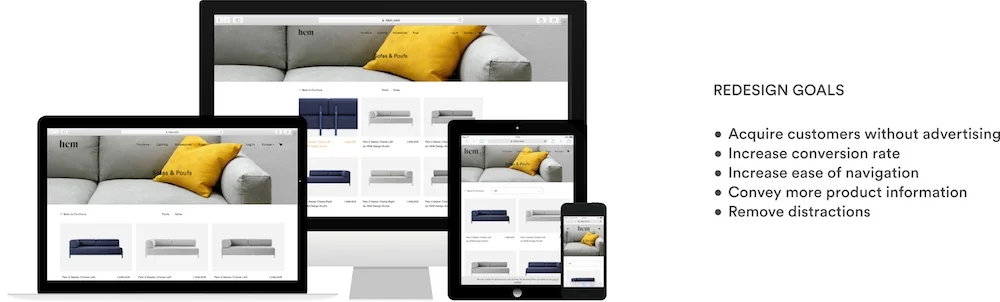
A redesign of the product page and an increase in inventory demanded a parallel redesign of the pre-linking browse pages and a rethinking of the information hierarchy. This was a data driven, consumer facing project.
Role: UX Designer working with the UX Director.
Responsibilities: Interface design, interaction design, visual design, remote user testing, data analysis, wireframing, scoping design, project management.
THE GOAL
With the business market growing in strategic importance, a ground-up fresh redesign was needed. We decided to improve the entire discovery experience to create a solid yet flexible design framework that could cope with future growth and additions. The redesigned experience was launched in Feb 2016. View it live.
SITE, USER FLOW and DATA ANALYSIS
SITE and USER FLOW: Working closely with the product team, the analysis was aimed at gaining a deep understanding of user goals and motivations. Brainstorming sessions helped to re-organise the site architecture and make probability guesses regarding future growth.
DATA: I wrote remote usability tests for the current browsing experience to answer the question "Can people use this design"? With a wider pool of participants it was possible to conduct more research sessions in a shorter amount of time (and with less recruiting hassle). Insights from usability testing along with data from the analytics team and comments from the customer service team helped to validate, invalidate, or revise assumptions about pain points in the user cycle.
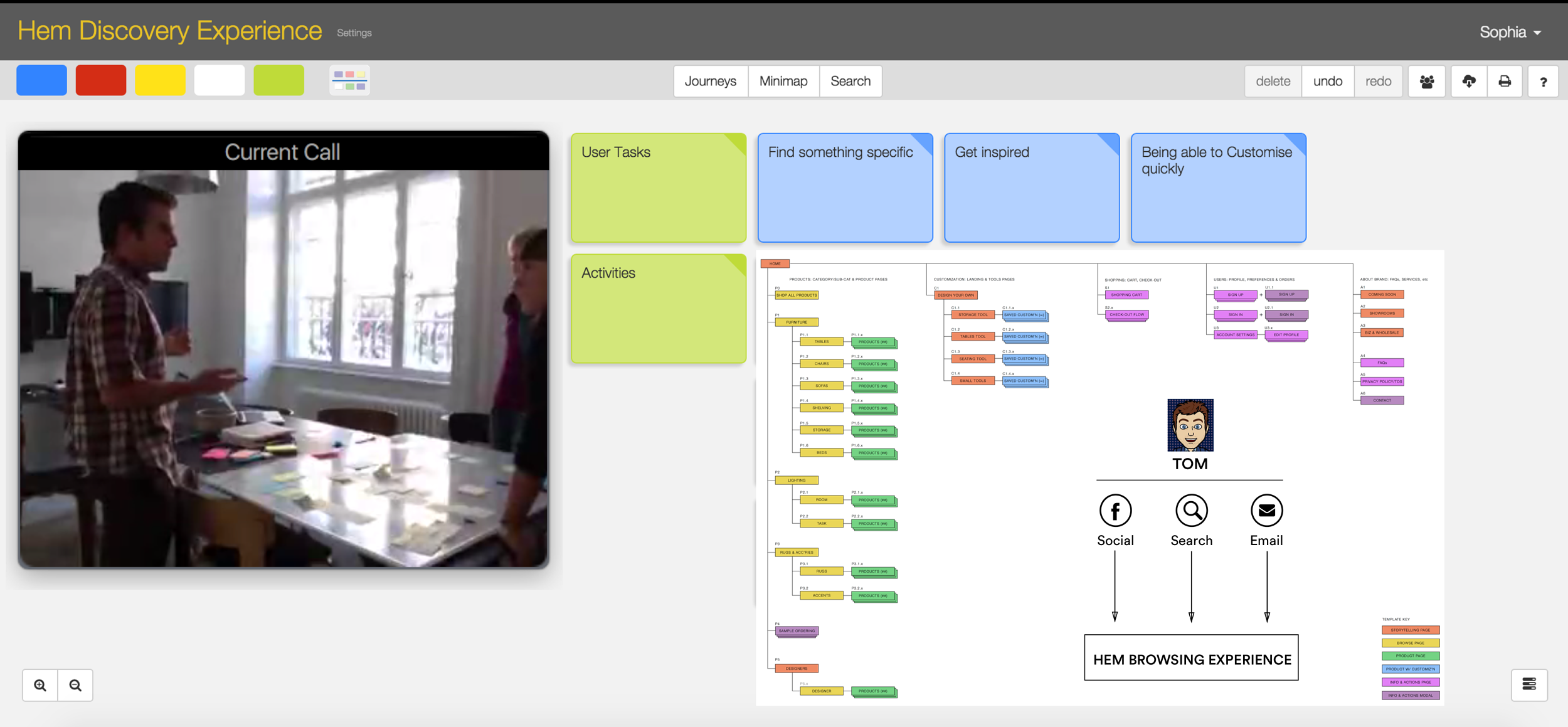
Remote brainstorming session with the team
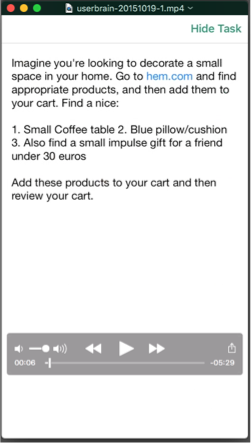
Task for the remote usability test
DESIGN EXPLORATION
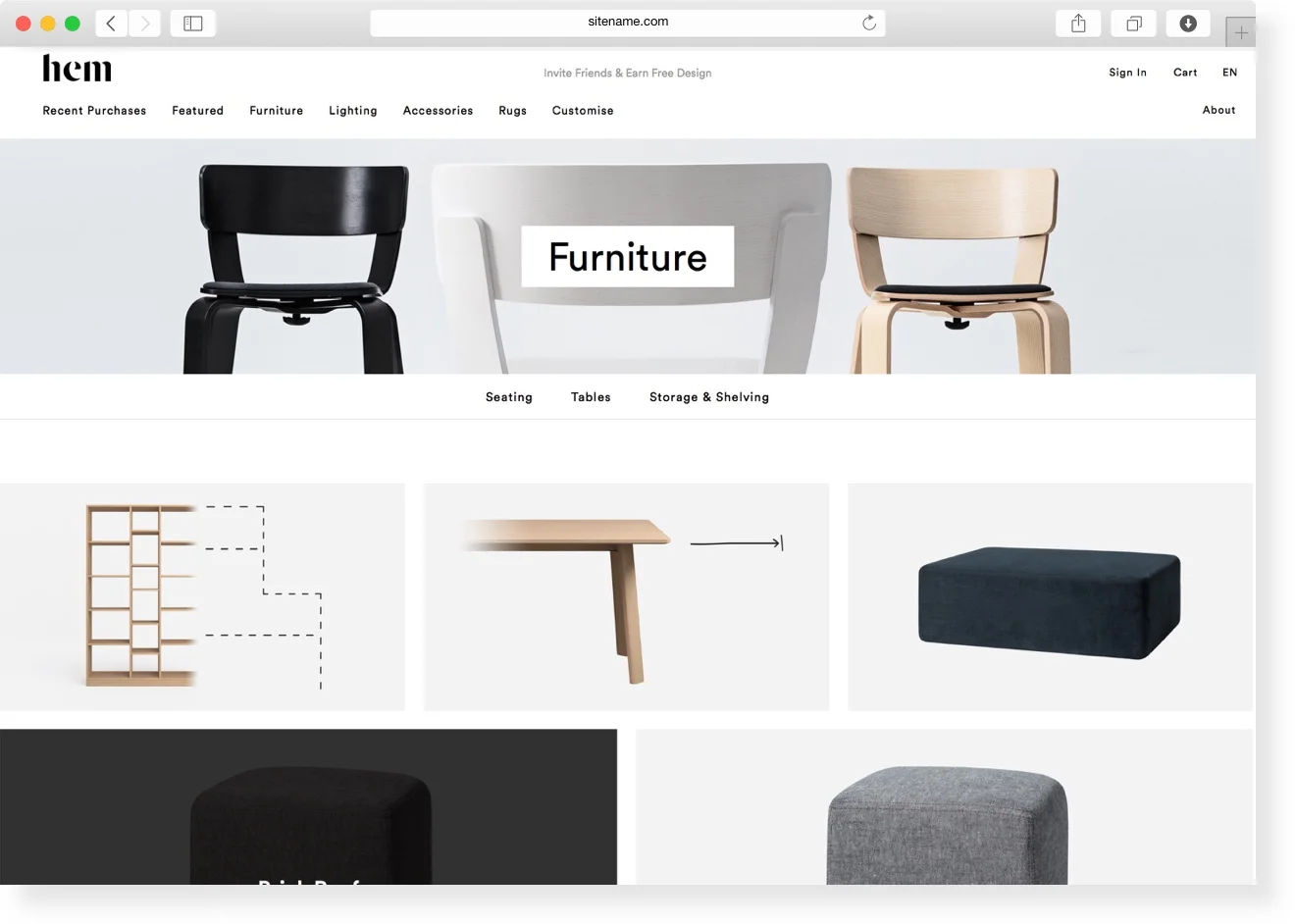
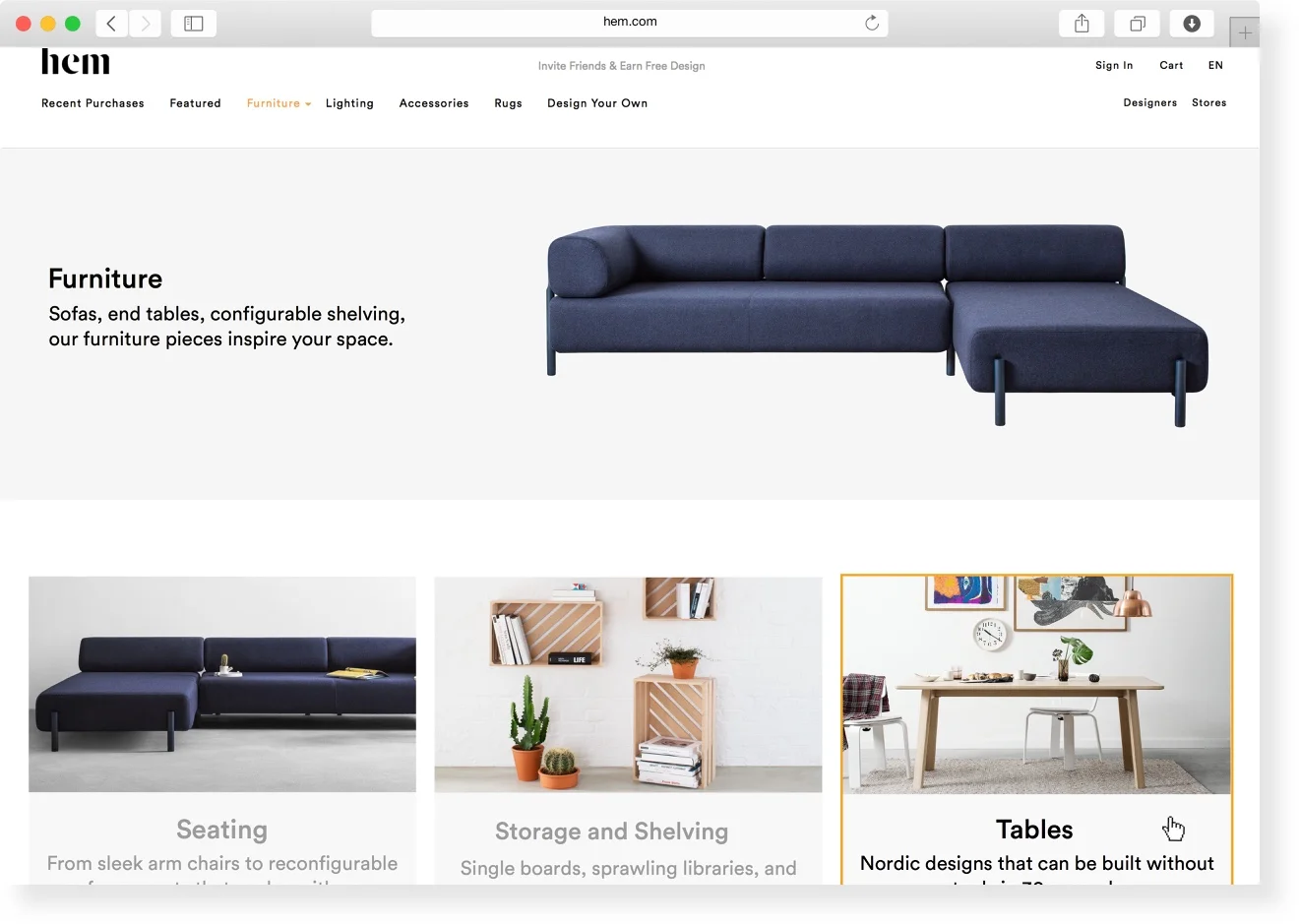
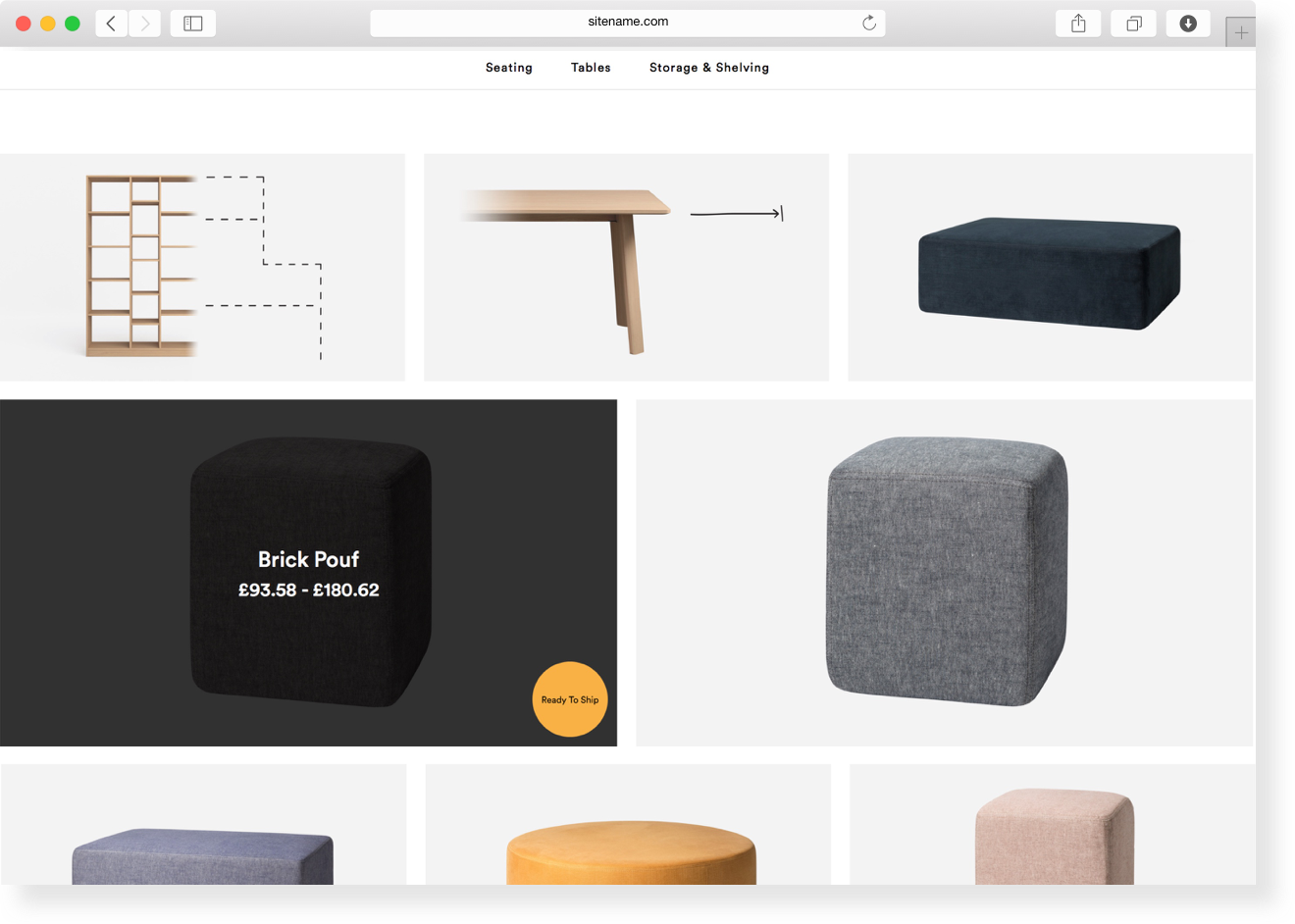
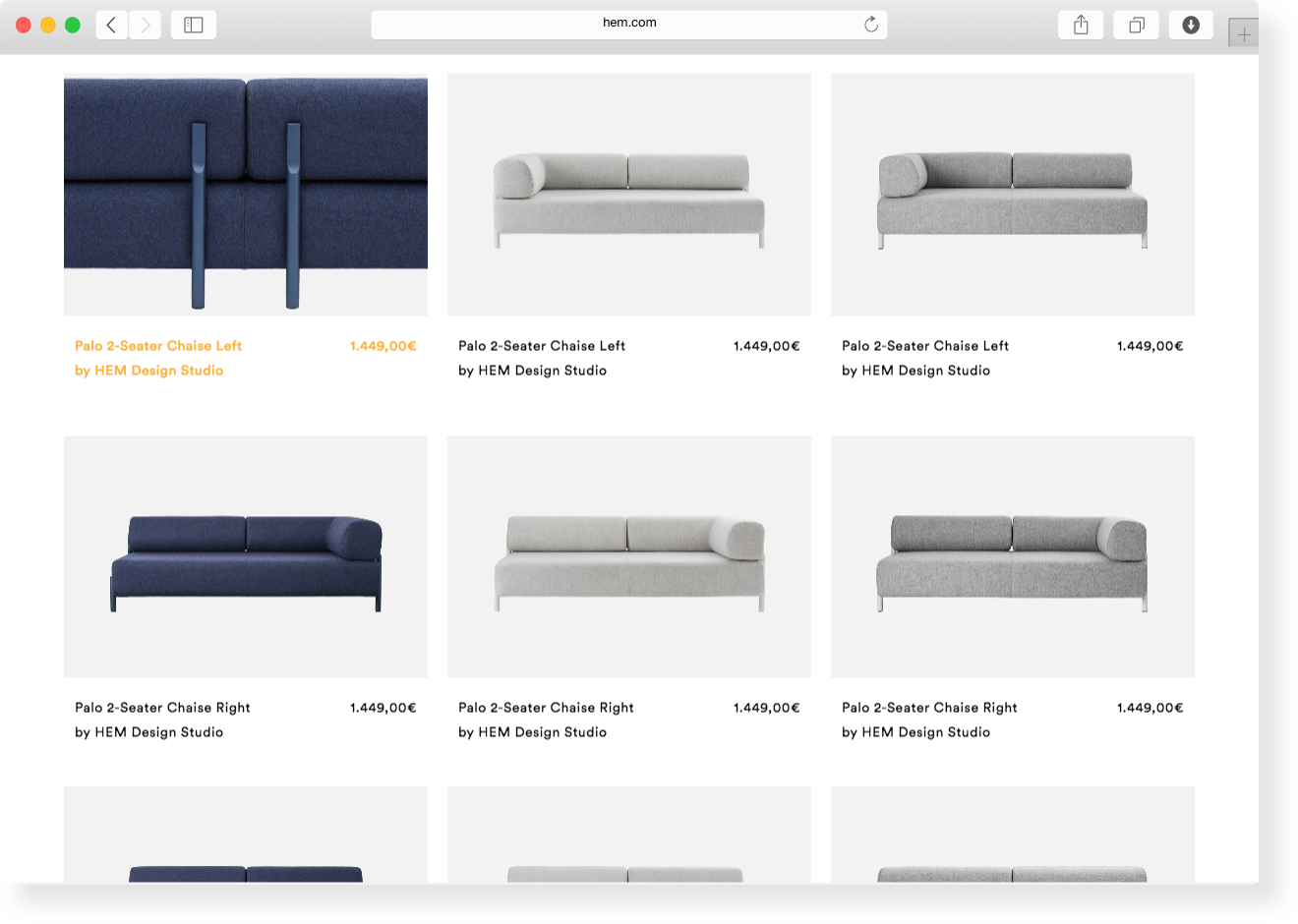
During the design phase I developed the new structure and interactions for the discovery experience. I worked closely with the UX Director to verify early design concepts and refine designs in several rounds of usability testing. These wireframe layouts encouraged conversations and debates about how content should be organized.

Samples of high fidelity mocks during design exploration
SCOPE and SCALE
I visually mapped out the changes from the current discovery experience. This helped to set a scope and scale for the team. I find that a visual document helps to better debate constraints, validate hypothesis and set the right expectations.