DESIGN SPRINTS
When working with a diverse and spread out team it often gets difficult to keep up the pace and streamline everyone’s thoughts to get to a common objective especially while designing complex software. I've found that sprints help reduce group think and bring out more innovative solutions.
Depending on what needed to be achieved and what phase we were in the development of Insight I ran design sprints over a day to a week.
In this particular sprint, the goal was to decide on a narrowed focus for delivery - features and goal - over a 6 month delivery time frame. The full team - designers, developers and project managers were involved. At times addressing different aspects of the product, at times progressively adding detail.
Role: Design Lead
Responsibilities: Facilitator
deciding
With a quick team discussion we picked a super-focused target of experiences we wanted to deliver with Insight. These came from the previous 'strategy + discovery' phase that involved product research, evaluation of competitive products and analysing the customer journey.
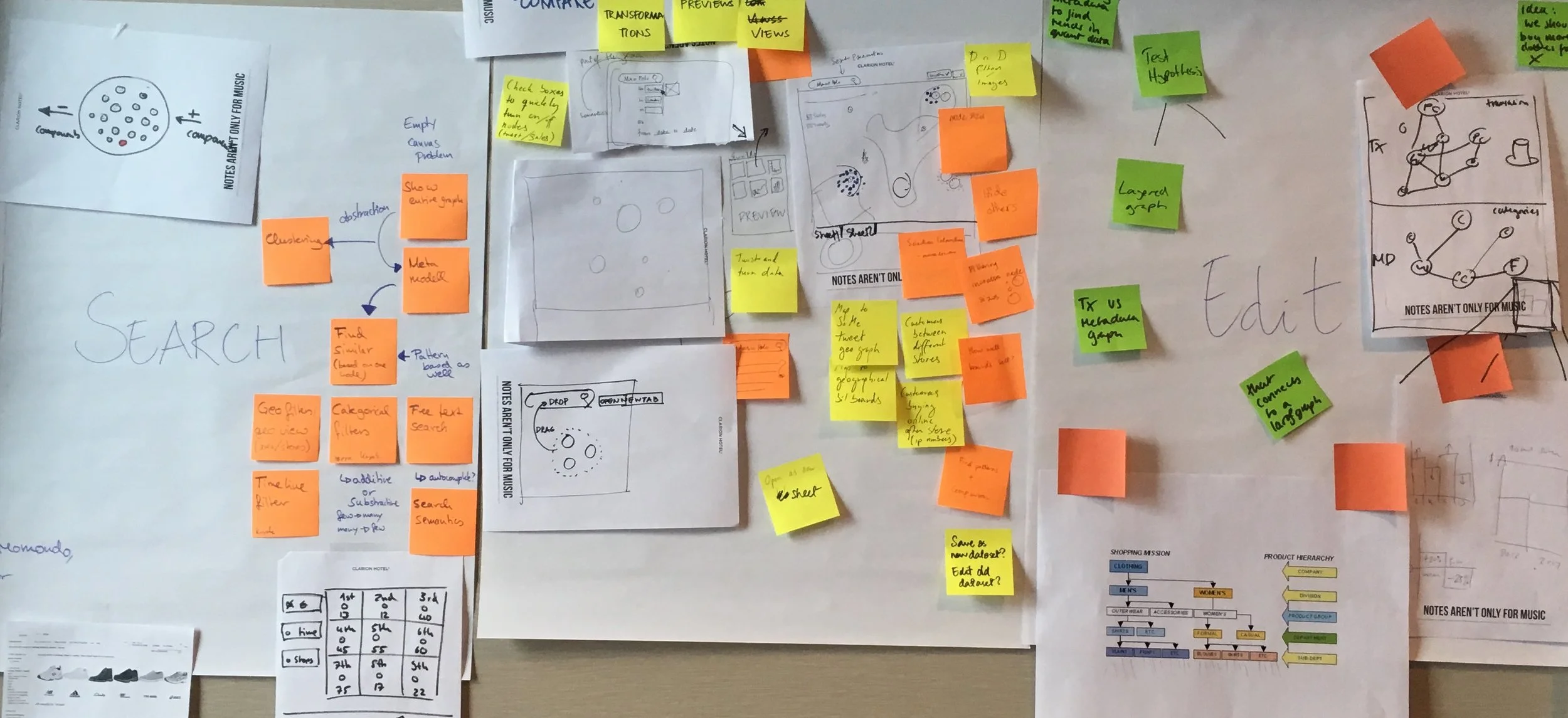
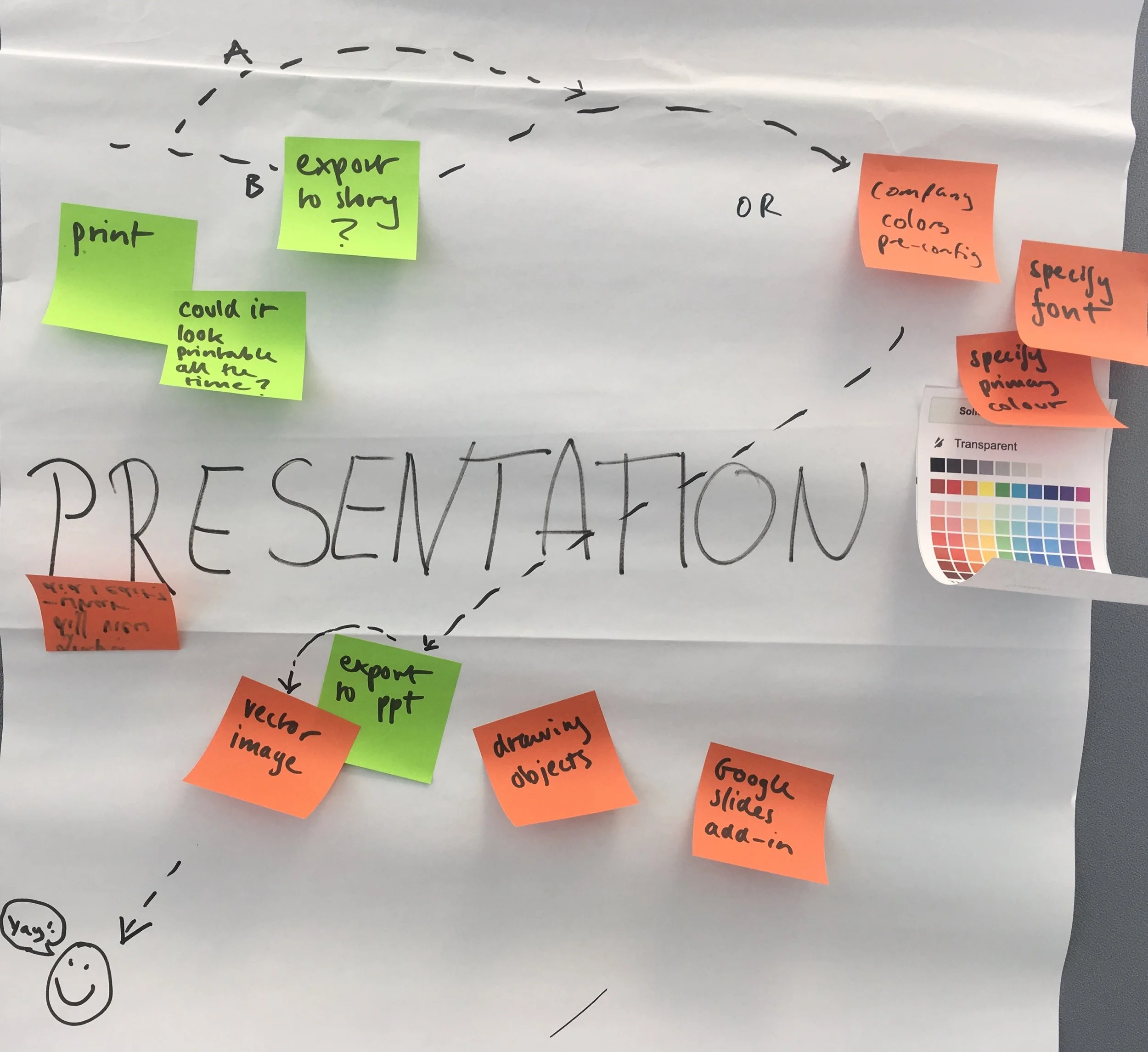
diverging
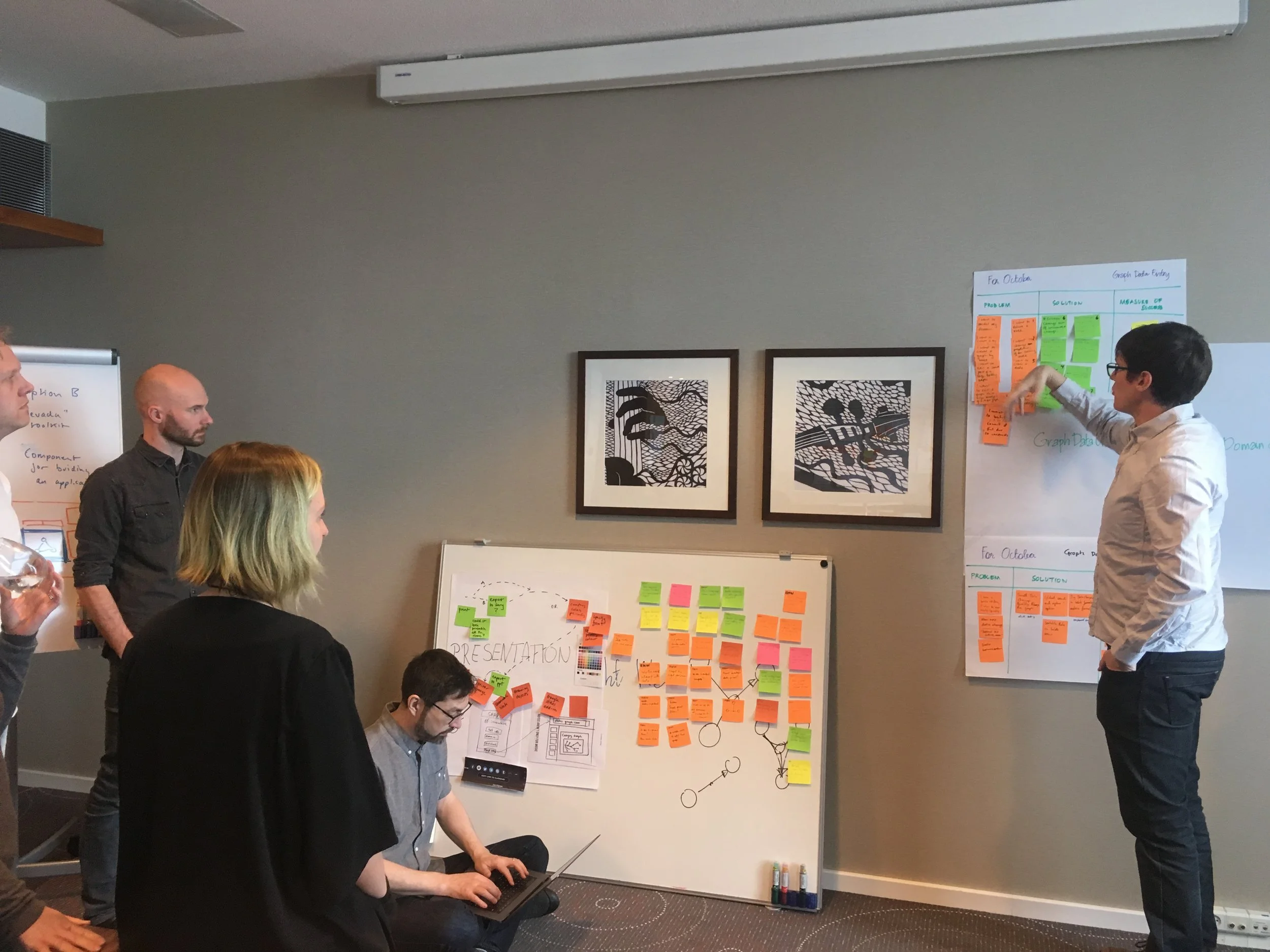
Dividing the team into groups we tried to transform our abstract ideas into more concrete ones towards the target experiences. Participants used sketches, print outs, post it’s, doodles, diagrams, headlines - anything that was available and comfortable in the set up. The idea was to 'talk less' about the idea and 'show more'.
SPEED CRITIQUE
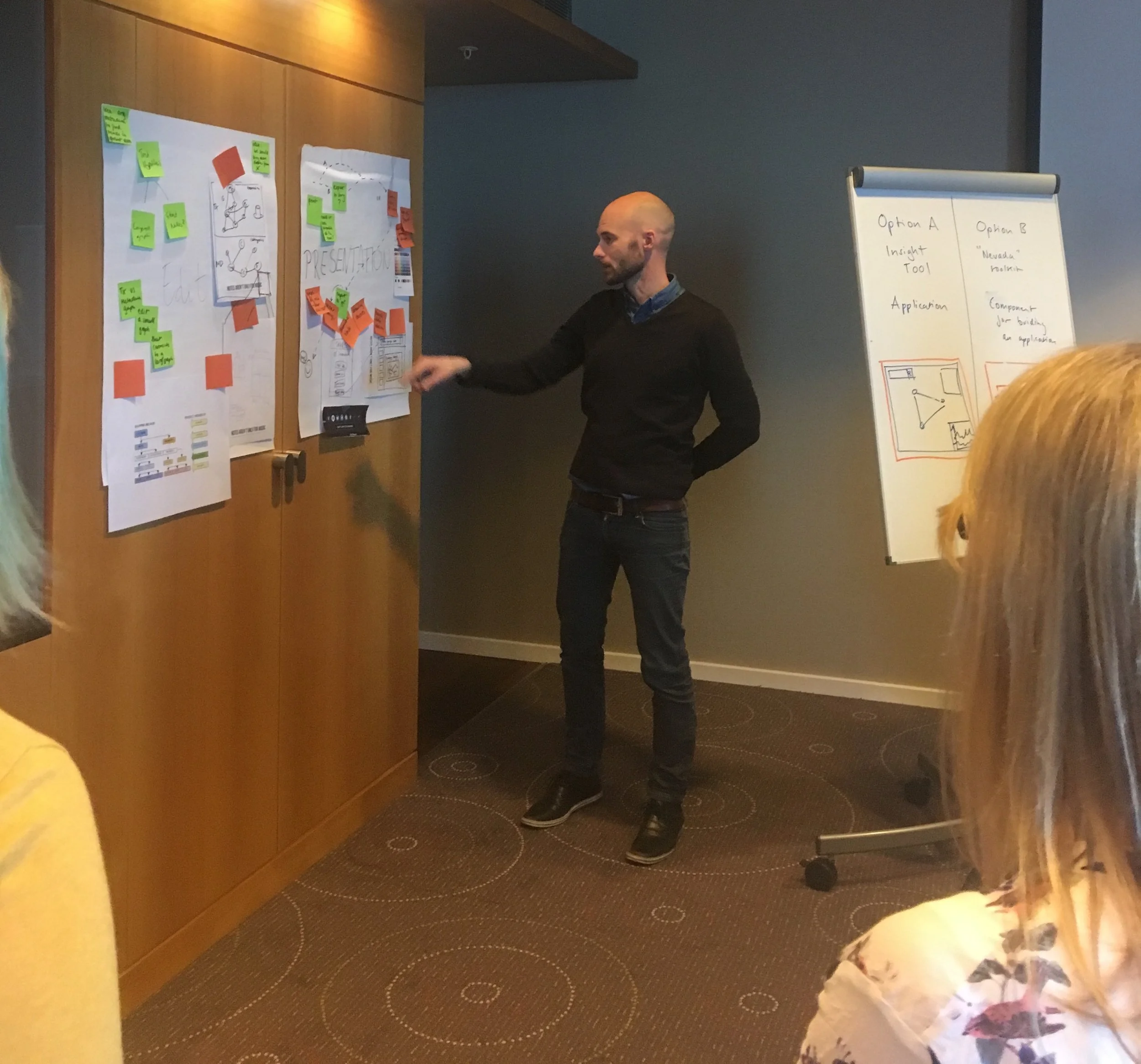
One person from every group then narrated their board in less than 3 mins. The team called out ideas that 'stand-out ideas' which I noted down as the facilitator.
narrowing down
The stand-out ideas were then divided into groups again. Each group picked one idea that the felt would make Insight a success in the short delivery frame. Multiple groups could choose the same idea. This kind of picking helped discover a common theme that the group was collectively leaning towards.
Balancing product discovery with product delivery
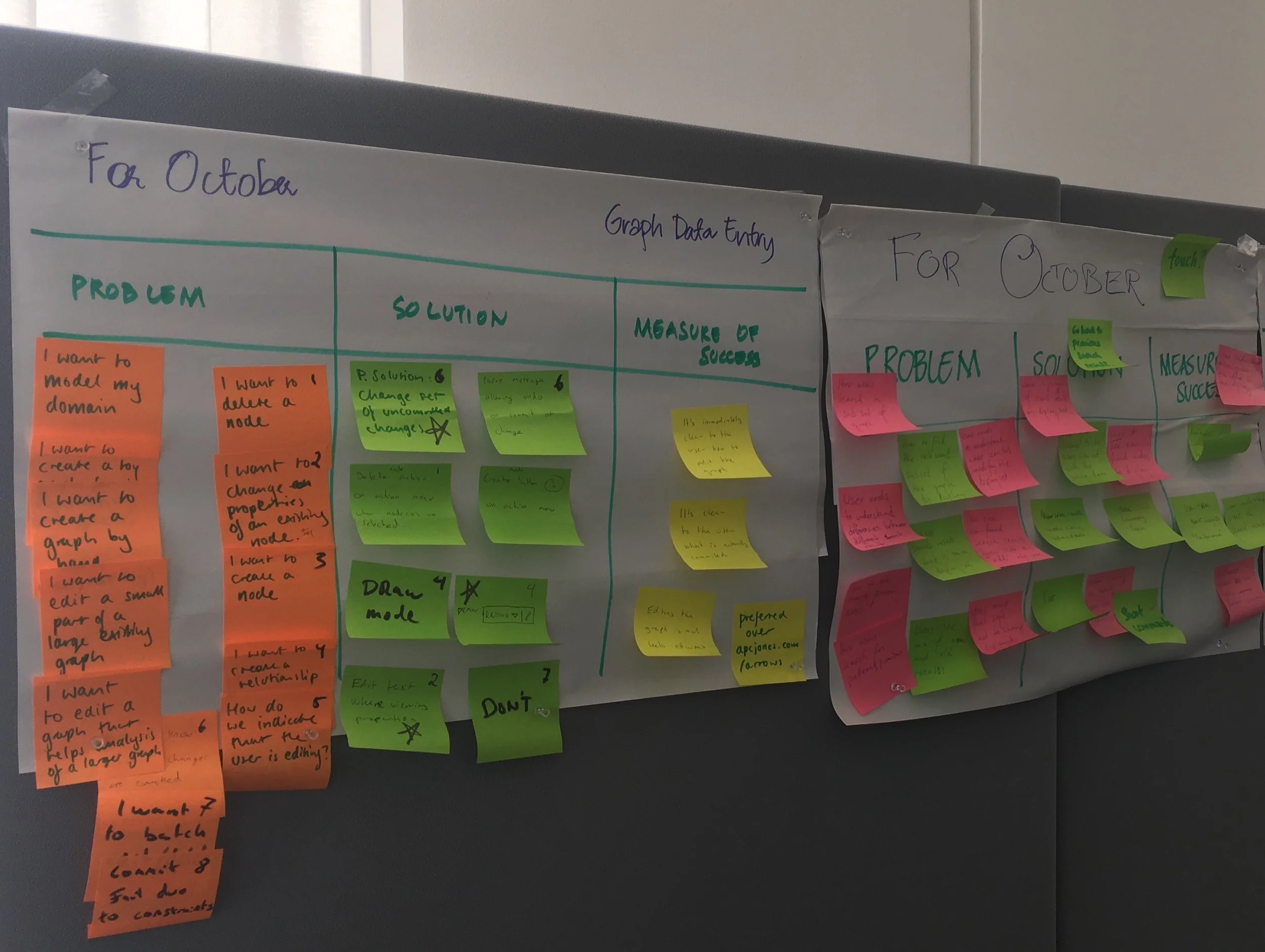
Each group noted detailed problems / issues with the stand out options and the solutions they proposed. They clearly defined the situation, problem or challenge then decided on the best solutions and suggested success metrics that could measure that decision.
what next?
Taking action: Because this sprint involved everyone in the project, the team felt confident to set priorities and plunge into actual execution.
The design and engineering team translated the solutions defined in the sprint into strategy, user journeys, user stories and features for target users. The design team used techniques like storyboarding to define more details.
A product journey map of how Insight fits into the larger Cloud framework.
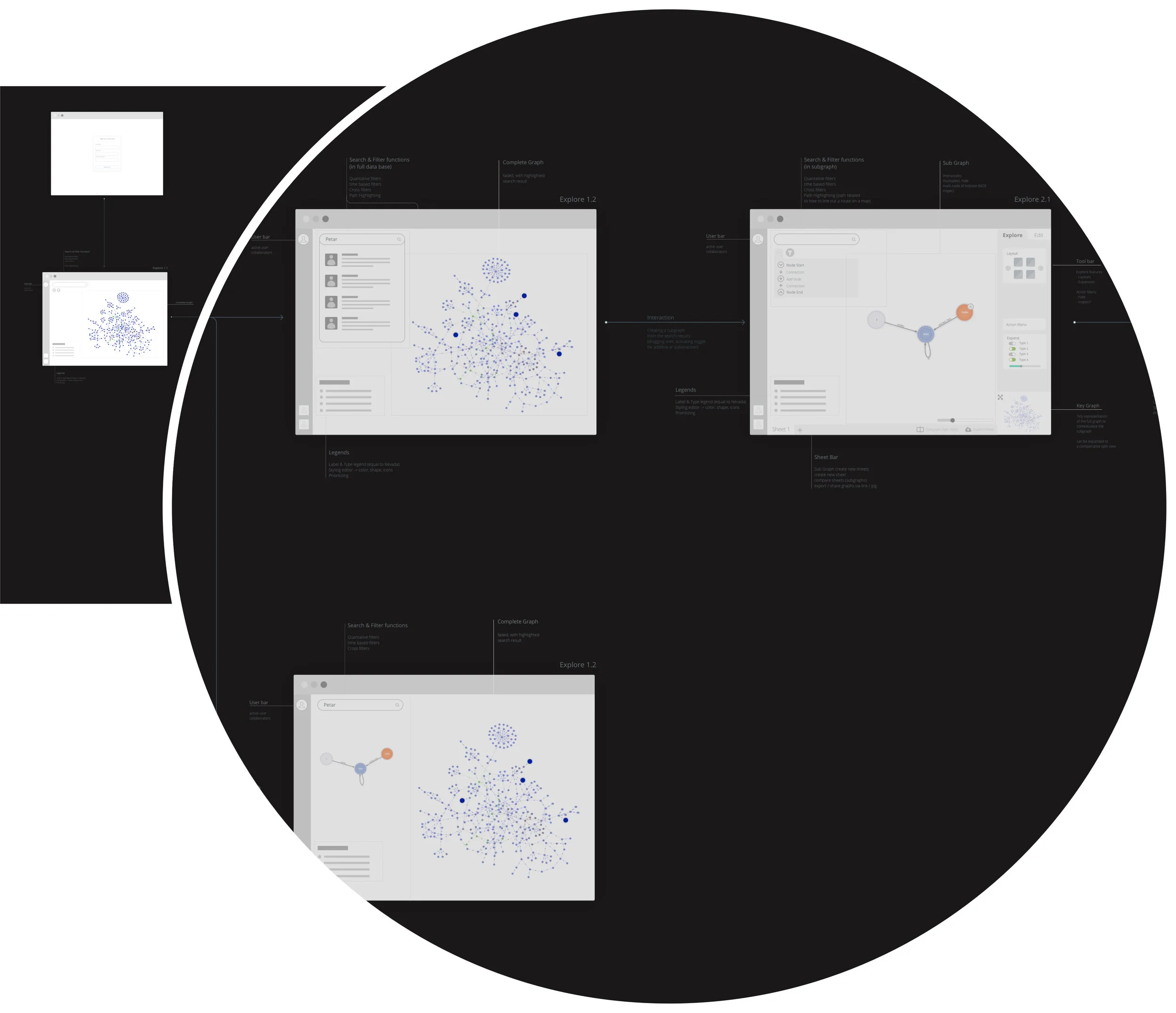
An initial wireframes of the user journey within Insight